Why the Cable Matters
Twenty Years of Corrosion-Free Sightlines Near Saltwater
The Metallurgy Behind Twenty Years of Corrosion-Free Sightlines Near Saltwater
The steel you don’t notice is the steel doing all the work.
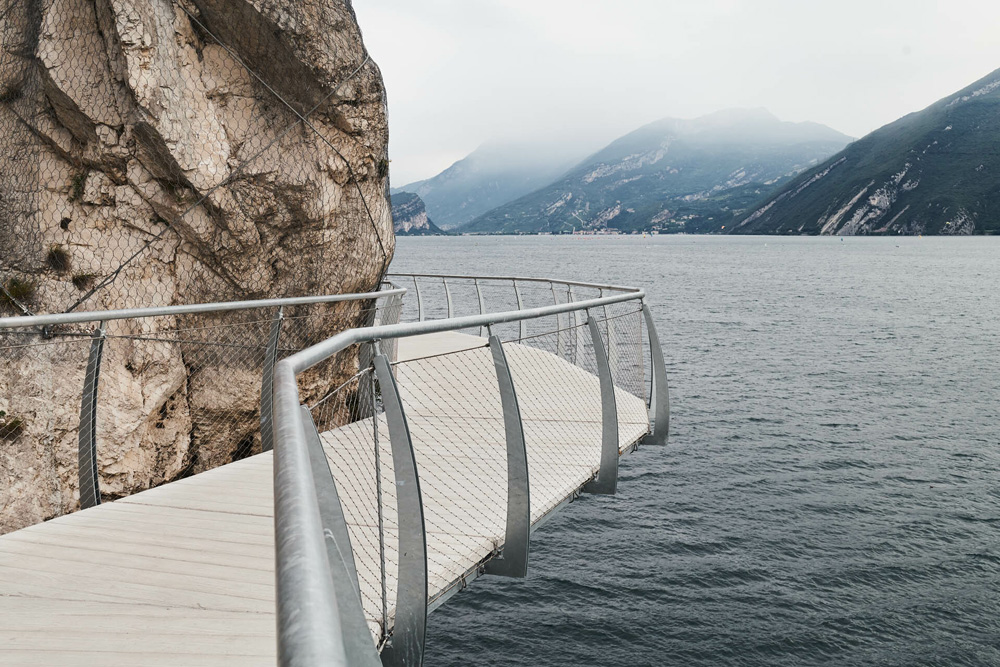
A visitor standing on a coastal boardwalk sees a clean line of cable disappearing into the horizon. They don’t see the wire. They see the view — the ocean, the skyline, the uninterrupted sightline the architect fought for in the design phase. That’s the intended effect. But twenty years from now, when a commodity cable system three miles down the coast has gone streaky with rust and needs replacing, the reason one installation still looks new and the other doesn’t traces back to a single spec line most buyers skim past: the steel grade.
Search “stainless steel cable” and you’ll get a flood of generic wire suppliers competing on diameter and price. None of them are answering the question that actually matters for a project sitting within a mile of saltwater: what happens to this cable in year eight, year fifteen, year twenty-five? That’s where the story of AISI 316 starts — and where commodity cable quietly stops.
AISI 316 isn’t a marketing term. It’s a molecular decision.
AISI 316 is marine-grade stainless steel, and the difference between it and standard 304 grade isn’t cosmetic. The added molybdenum content gives 316 superior resistance to chloride corrosion — the specific failure mode that saltwater, de-icing salts, and coastal humidity induce in lesser alloys. For any installation near open water, or exposed to the kind of airborne salt that settles invisibly on architectural hardware, that resistance isn’t an upgrade. It’s the baseline requirement for a permanent structure.
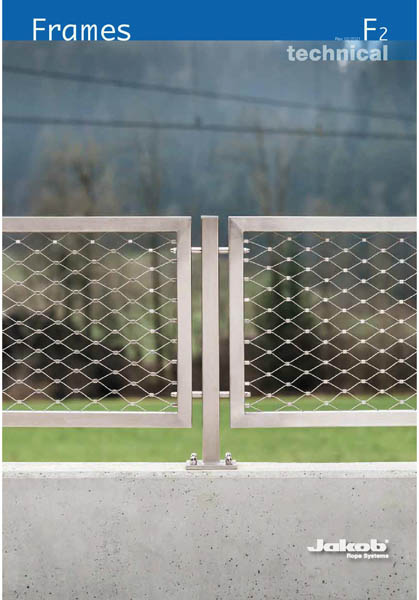
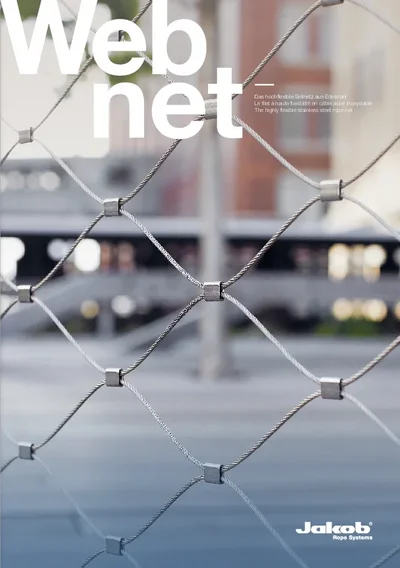
Jakob’s cable — whether it’s a 4mm strand in a Cable Railing kit or a 2mm wire woven into Webnet mesh — is manufactured to this grade because Jakob doesn’t build for the showroom. It builds for the jobsite that happens to be a pier, a rooftop terrace above a harbor, a stair rail on a bridge over tidal water. The material specs referenced across Jakob’s technical documentation — EN 10088-3, ASTM 276-13a — exist precisely to standardize what “corrosion-resisting” actually means, so that a spec sheet claim can be verified rather than taken on faith.
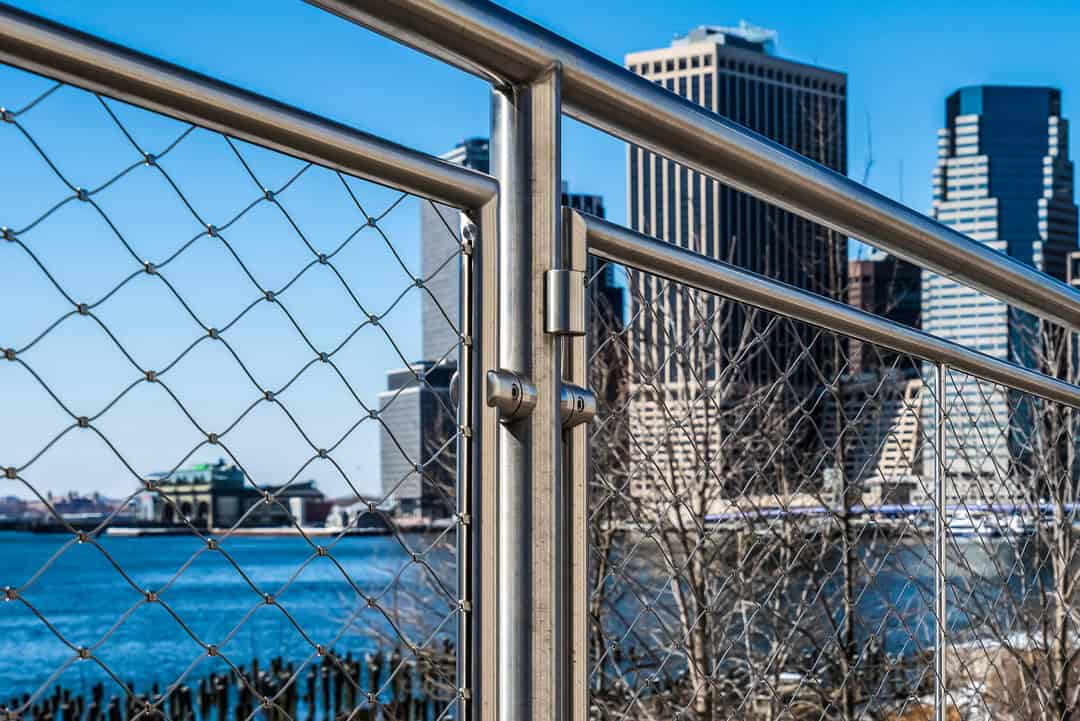
Pre-tensioning is the part no one photographs.
Here’s the detail that separates an engineered system from assembled hardware: Jakob’s cable assemblies — fitted with swaged clevis and turnbuckle terminations — are tensioned and adjusted at the factory, not improvised on-site. That factory-controlled tensioning is what keeps a cable railing looking taut and aligned in year one and year twenty, instead of sagging the way field-assembled systems tend to once thermal cycling and wind load do their slow work. The architect sees clean, consistent lines. The engineering behind that is a controlled manufacturing process most specifiers never think to ask about — until the alternative fails.
The same steel, doing different jobs.
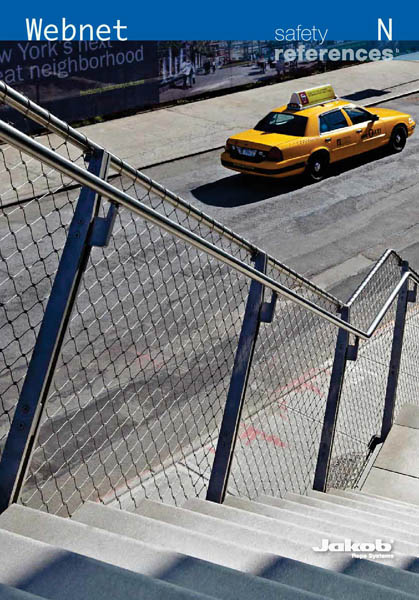
This isn’t a cable railing story alone. The same AISI 316 wire rope runs through Jakob’s full range — the diamond-pattern Webnet mesh used for zoo enclosures, fall protection netting, and curved balustrades; the structural cable trellises in Green Solutions facades, where the wire supports climbing vegetation and years of weather exposure simultaneously. Whether the cable is holding a view open or holding a living wall up, the corrosion resistance underneath it is the same non-negotiable spec.
Jakob’s structural systems are also built to recognized standards — EN 12385 for wire rope safety, EN 13411 for terminations, ICC-ES and ASTM frameworks for installations here in the U.S. — which matters when a specifier needs more than a manufacturer’s word that a system will hold up under code review, not just under a hose test.
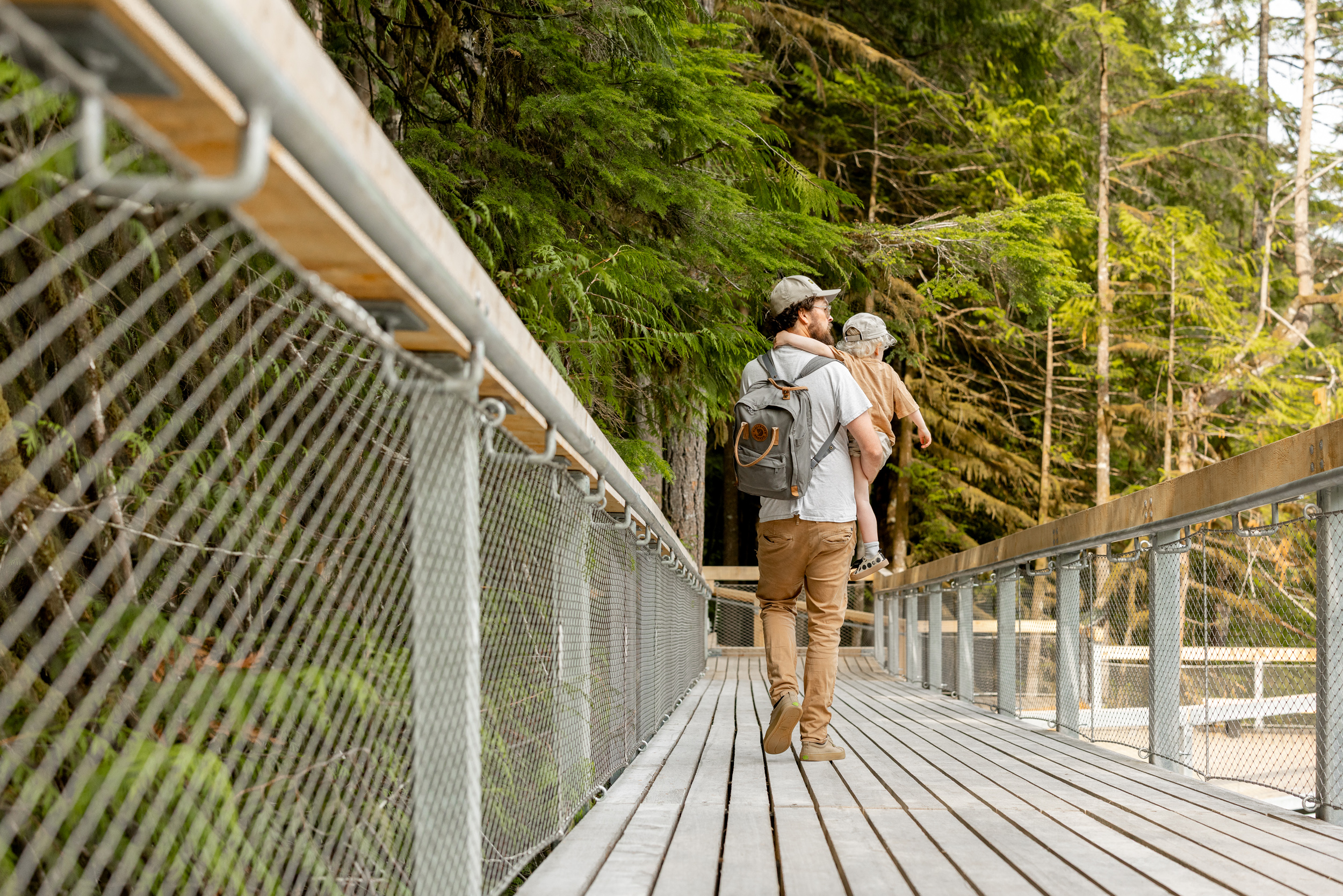
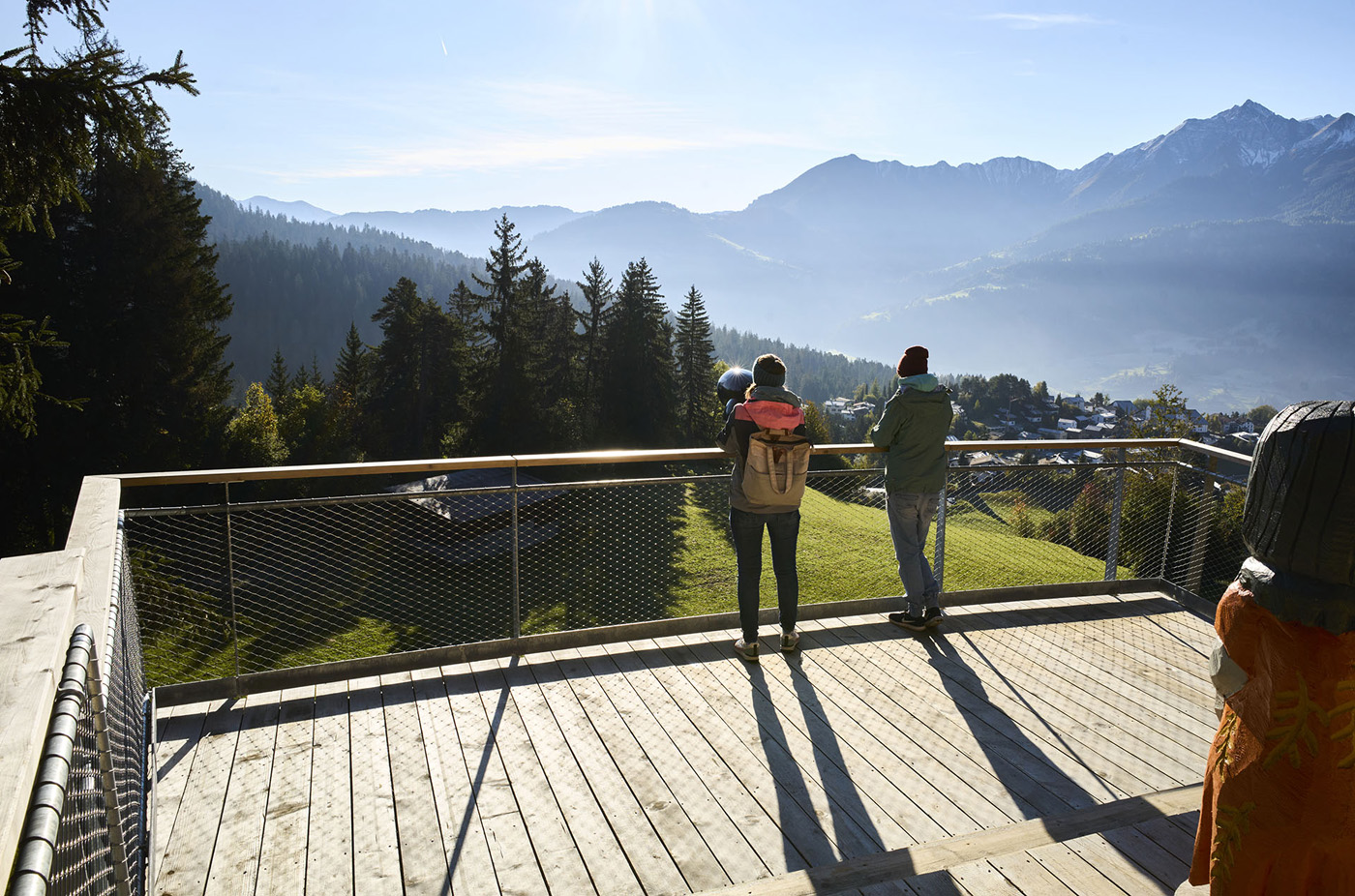
What survives near saltwater isn’t luck.
Coastal projects don’t fail gracefully. A corroded cable doesn’t just look bad — it becomes a liability review, a replacement budget, a call nobody wants to make five years after occupancy. The projects that age well near water were specified with the material question answered upfront, not discovered the hard way.
If your project sits anywhere near salt exposure — coastal, industrial, or simply humid — the sightline your client is imagining depends on a decision made at the material level, long before the first cable is swaged.
Is your project’s exposure level actually matched to its spec?
Not every application needs the same tensioning approach or termination hardware, and coastal exposure isn’t always obvious from a site plan alone. We’re glad to look at your project conditions directly and give you an honest read on what’s warranted — including telling you when a lighter-duty system is genuinely the right call.