Passive Drone Defense
Jakob USA
Jakob Rope Systems
Passive Drone Defense for Buildings and Critical Infrastructure
Your facility’s security plan probably accounts for access points at ground level. But what about the airspace above it?
Drone technology has outpaced the security frameworks that govern it. Unmanned aerial vehicles are now accessible, affordable, and capable of reaching areas that perimeter fencing, surveillance cameras, and access control systems were never designed to cover. For owners and operators of sensitive facilities — data centers, correctional institutions, transportation hubs, energy plants — this is no longer a theoretical risk.
Jakob Rope Systems has developed a line of passive drone defense solutions specifically suited for use in security-sensitive environments. Architects, security consultants, and facility managers working on these project types now have a structurally integrated option that goes beyond bolt-on countermeasures.
The Problem With Active Countermeasures
Jamming systems, directed-energy devices, and capture drones are options — but they come with significant regulatory, liability, and operational constraints. In the United States, federal law tightly restricts who can legally deploy active drone countermeasures. Most facility owners don’t qualify.
Passive physical barriers sidestep these complications entirely. A net structure doesn’t jam signals, doesn’t require licensing, and doesn’t create new liability exposure. It simply stops unauthorized drones from reaching the areas you’re protecting.
Engineered Mesh, Not an Afterthought
What distinguishes Jakob’s approach is architectural intentionality. These systems are designed to function as part of the building envelope — not as a visual intrusion layered over it.
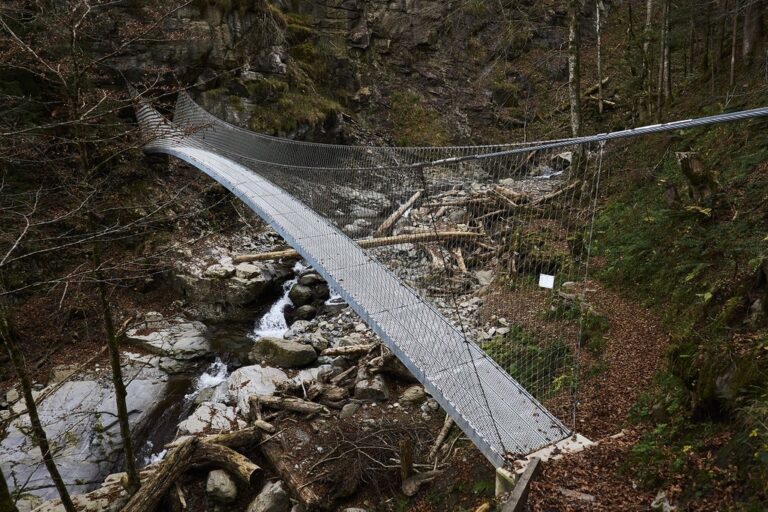
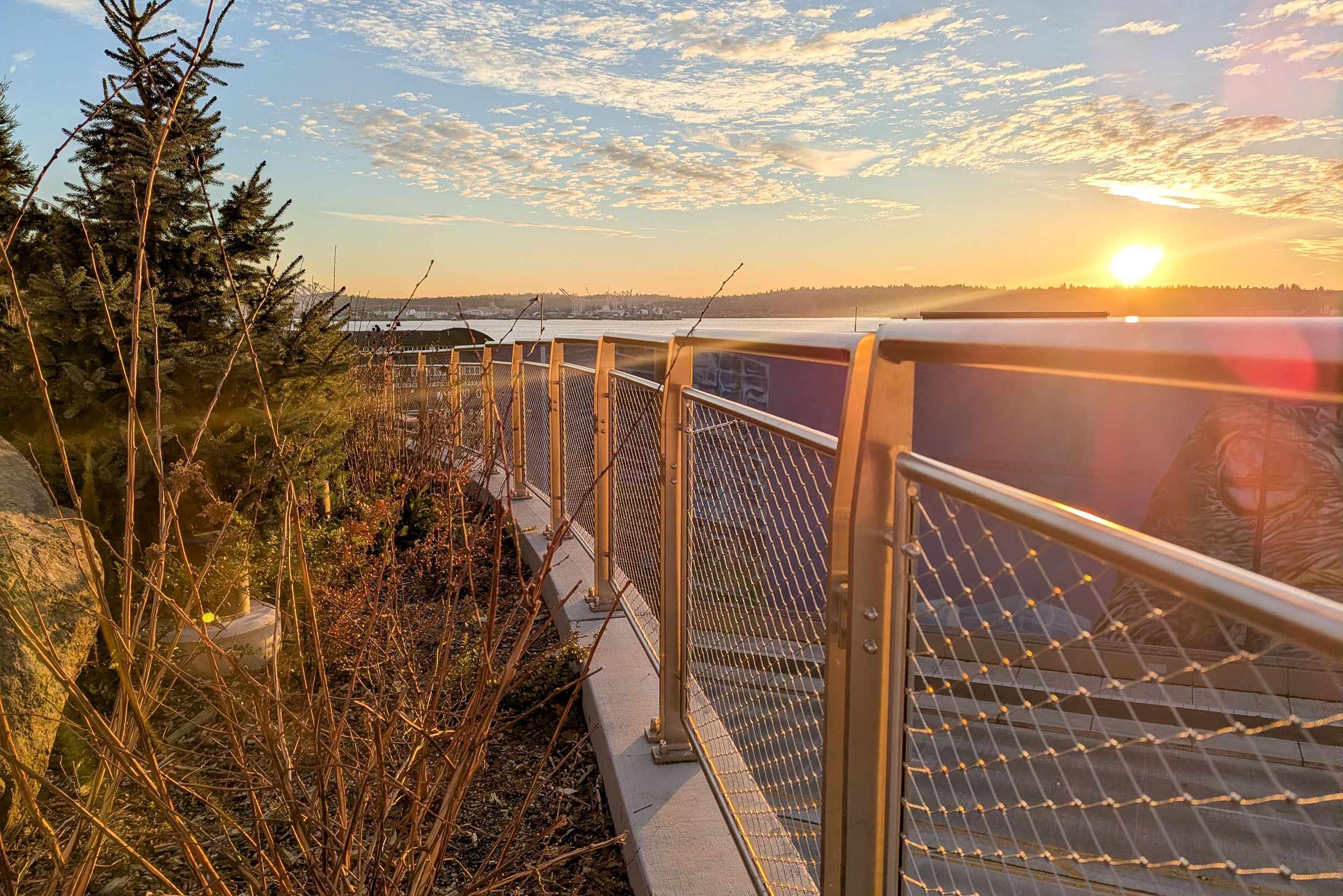
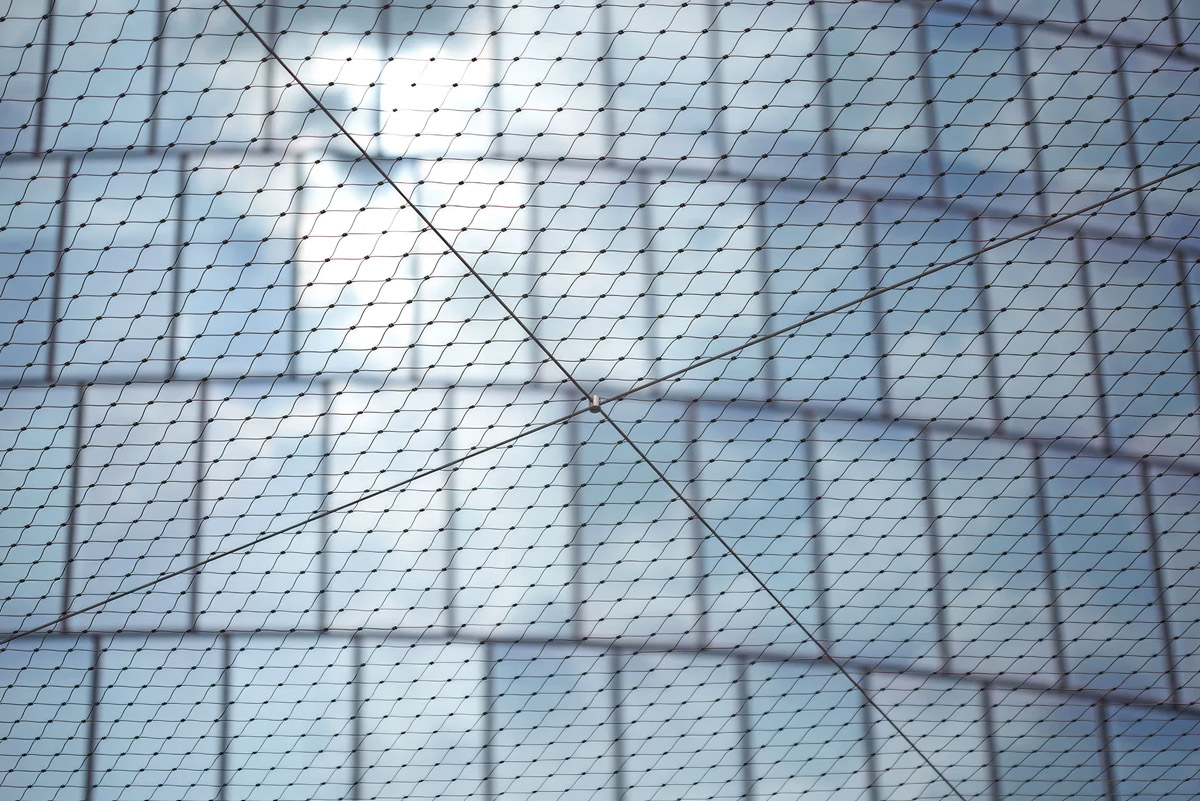
Stainless steel mesh structures can be configured to secure facades, inner courtyards, rooftop mechanical zones, access roads, and sensitive perimeter areas. The geometry, mesh aperture, and structural attachment points are designed on a project-specific basis to align with the building’s existing lines.
For environments where visual discretion is a priority, black-coated rope and net options minimize reflection and reduce visual contrast against the sky. The result is a barrier that reads as part of the architecture rather than a security overlay.
For temporary applications — event venues, construction site protection, interim security coverage — textile rope net systems offer lightweight, quickly-deployable alternatives to permanent steel installations.
Material Performance That Matches the Application
Jakob’s stainless steel wire rope mesh is the same material platform used in the company’s fall protection, animal enclosure, and architectural facade systems — a long-term track record in demanding outdoor environments.
- Key performance characteristics relevant to drone defense applications:
- Corrosion resistance: AISI 316 marine-grade stainless steel performs in coastal and high-humidity environments where other materials fail
- UV and weather resistance: No degradation from prolonged sun exposure or freeze-thaw cycling
- Low maintenance: Passive systems require minimal upkeep compared to electronic countermeasures
- Fire protection conformity: Mesh structures can be specified to meet applicable fire code requirements
Project-Specific Engineering Support
Jakob provides support from concept through installation. For drone defense applications, this includes:
- Initial feasibility assessment based on site conditions and security requirements
- Custom engineering for the mesh structure, frame system, and integration with existing building components
- Test series and feasibility studies for complex or high-security applications
- Documentation support for approvals and compliance requirements
This is a significant differentiator from off-the-shelf barrier products. Every installation is designed for the specific building and security scenario — not adapted from a standard catalog configuration.
Relevant Project Types
Passive drone defense with rope and net systems is applicable to a range of facility types:
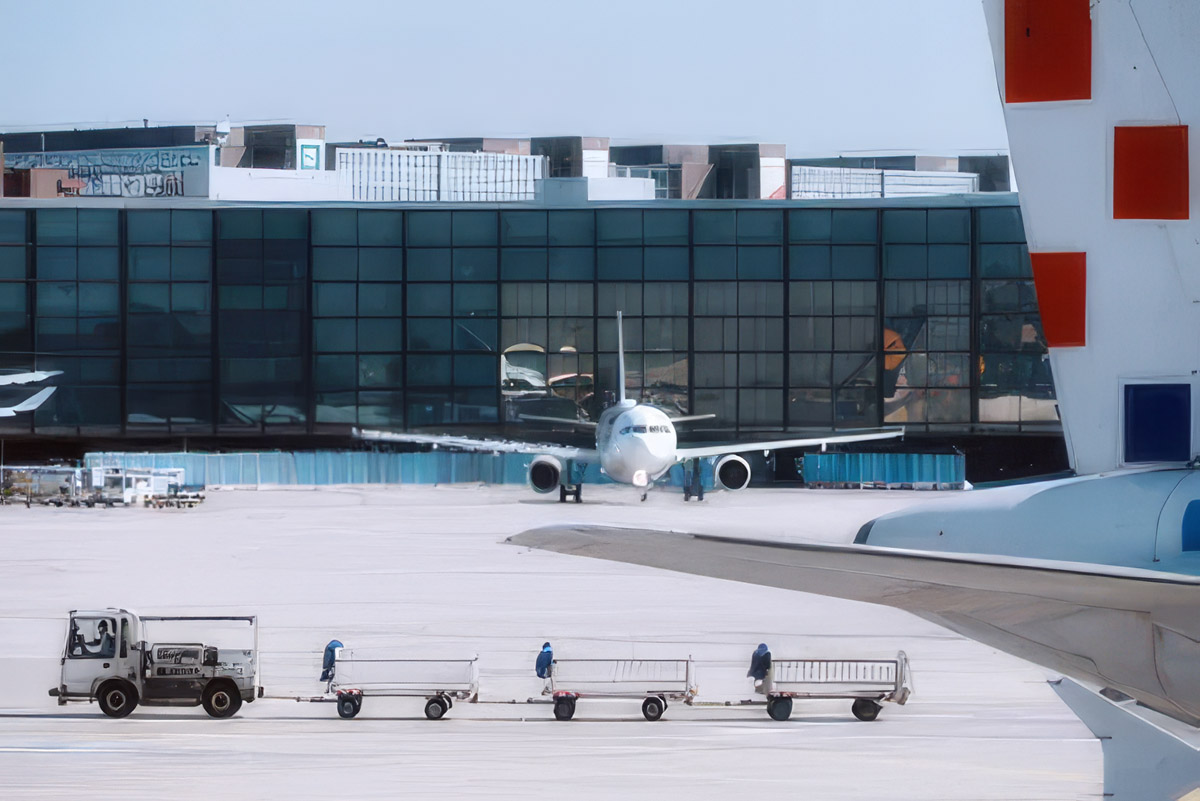
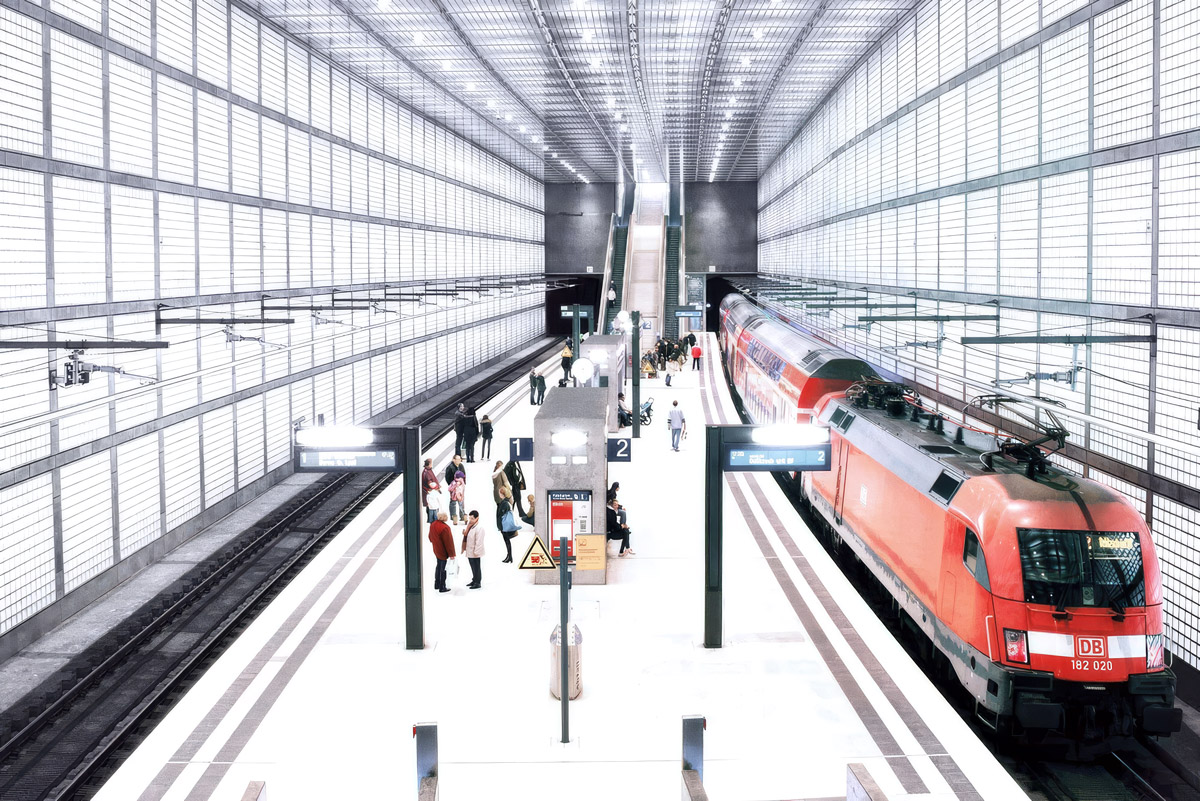
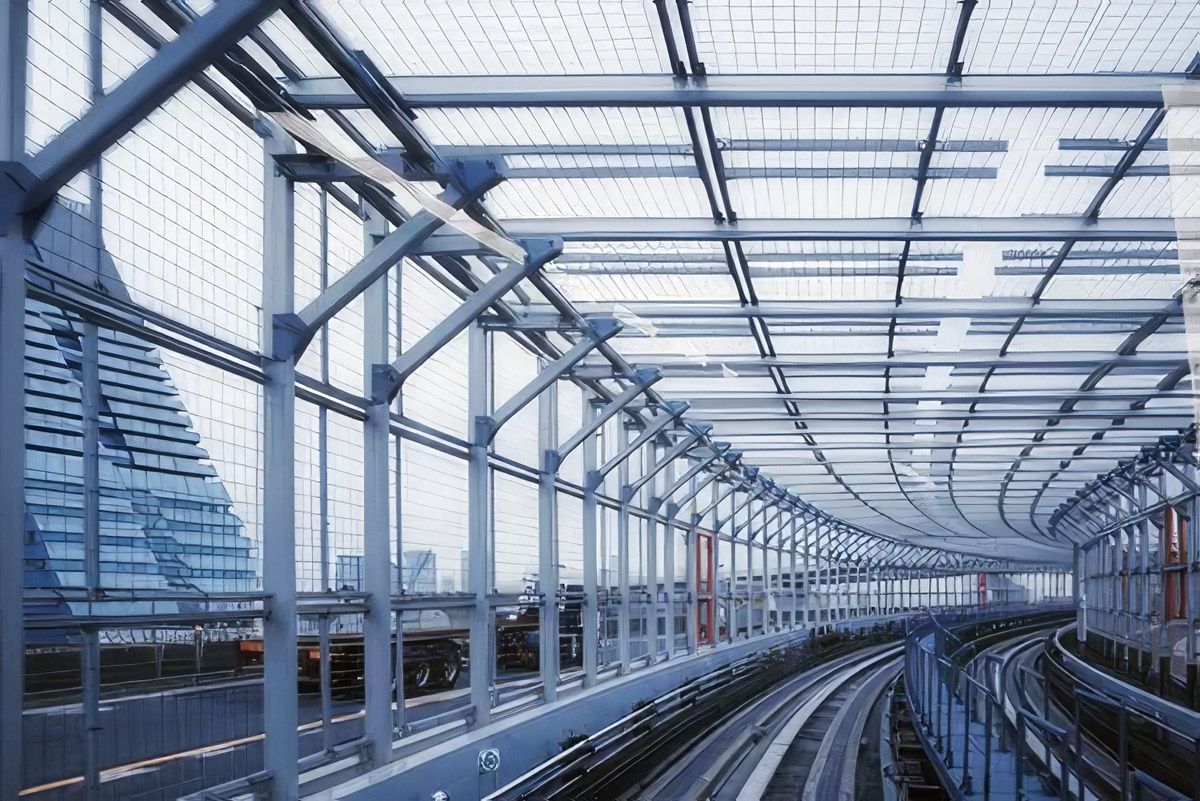
- Transportation infrastructure: Rail stations, terminals, airports, and logistics facilities
- Critical infrastructure: Energy plants, data centers, water treatment facilities, and communication towers
- Institutional buildings: Correctional facilities, government buildings, courthouses
- Public assembly venues: Stadiums, event venues, and large outdoor spaces
- Private campuses: Corporate headquarters, research facilities, sensitive commercial properties
- Residential high-rises: Urban residential towers where privacy and airspace control are priorities
Working on a Facility With Airspace Security Requirements?
Drone defense is an emerging application area for Jakob in the US market. If you’re working on a project with airspace security requirements and want to explore what a passive mesh solution could look like for your specific building, the right starting point is a project consultation — not a product page.
Our team will assess whether a Jakob solution is technically appropriate for your application and provide honest guidance on what’s feasible.