When the Bridge Isn’t the Architecture
How Jakob Engineered a 61-Meter Utility Crossing to Keep a Swiss City Running During Construction
When the Bridge Is Infrastructure, Not Architecture: Bern’s Temporary Utility Bridge
A city can’t pause its sewer, gas, and telecom lines for a bridge renovation — even when the bridge itself has to disappear for a year.
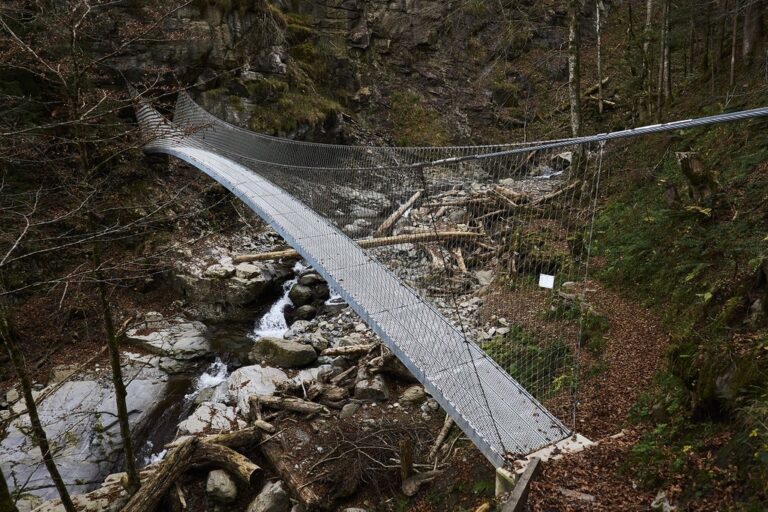
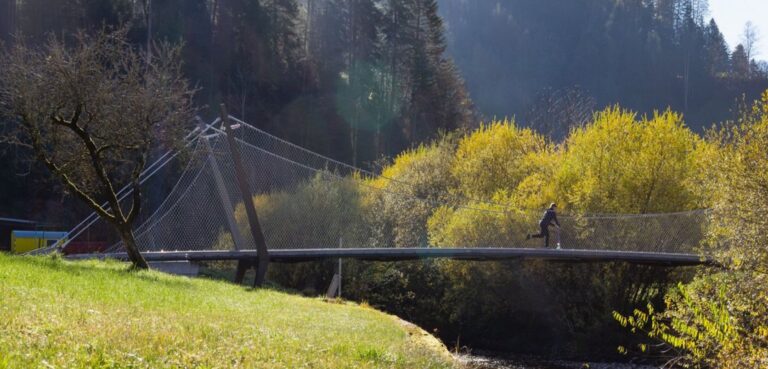
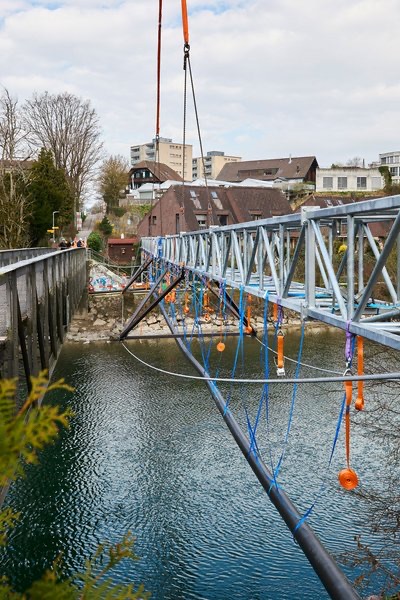
That was the problem facing the City of Bern during the renovation of the Seftau footbridge, a 53-meter pedestrian and cycle crossing over the Aare connecting Bern and Bremgarten. Taking the original structure offline for off-site restoration meant losing the physical path for every utility line running beneath it. There was no workaround — the city needed a second bridge, built fast, purely to keep services running while the real one got fixed.
Jakob Rope Systems designed, fabricated, and installed that bridge.
Not Every Bridge Is a Design Statement
Most of the projects we talk about involve an architectural brief — transparency, sightlines, a structure meant to be seen and felt. This one had none of that. The Seftau renovation, managed by the City of Bern’s Public Works Office with B+S AG as general contractor, came with a single mandate: continuous utility service throughout construction, on a fixed timeline, with a system that could be cleanly removed once the main bridge was finished. No aesthetic brief. Just load capacity, deployment speed, and reliability.
It’s worth sitting with that contrast for a second. The same rope technology that shapes a signature pedestrian crossing or a transparent facade is, underneath, an engineering system — one that doesn’t care whether the application is a landmark or a temporary utility corridor. That range is the point.
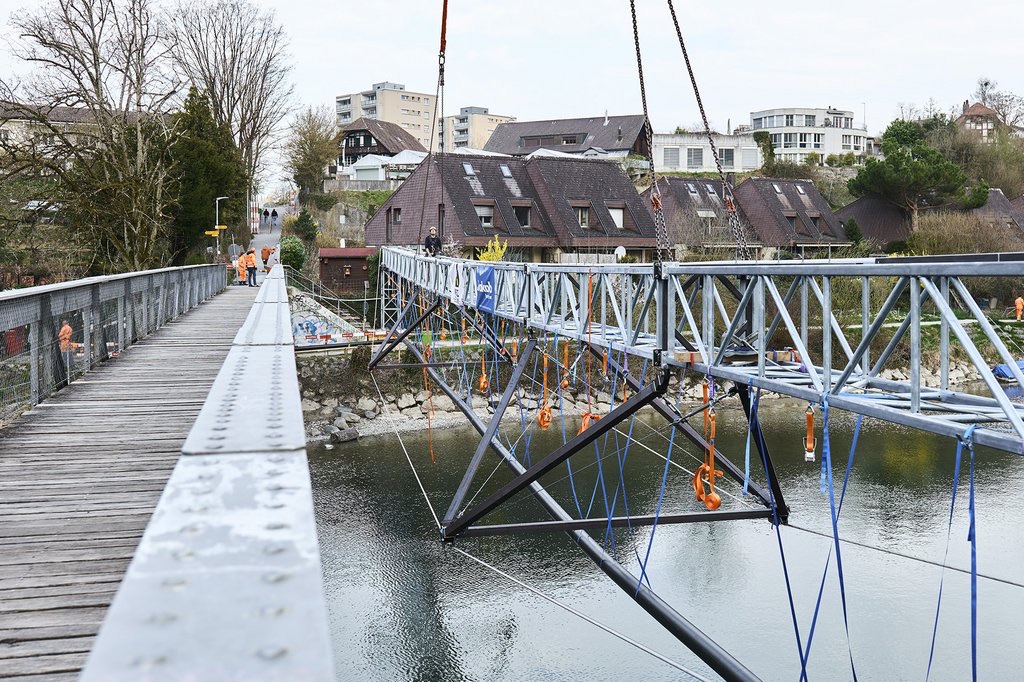
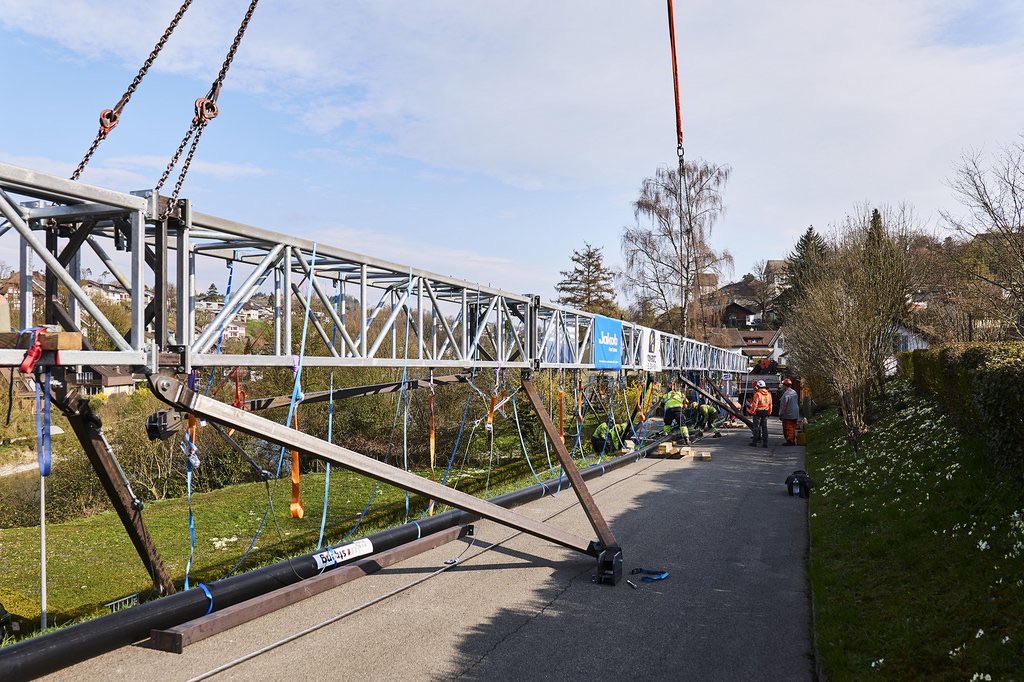
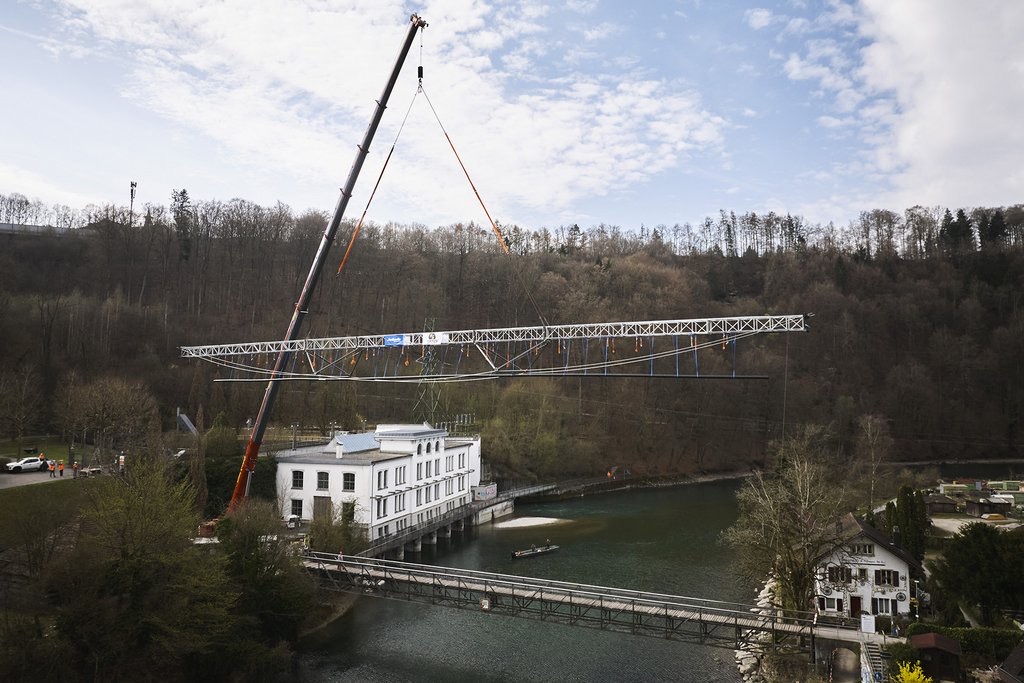
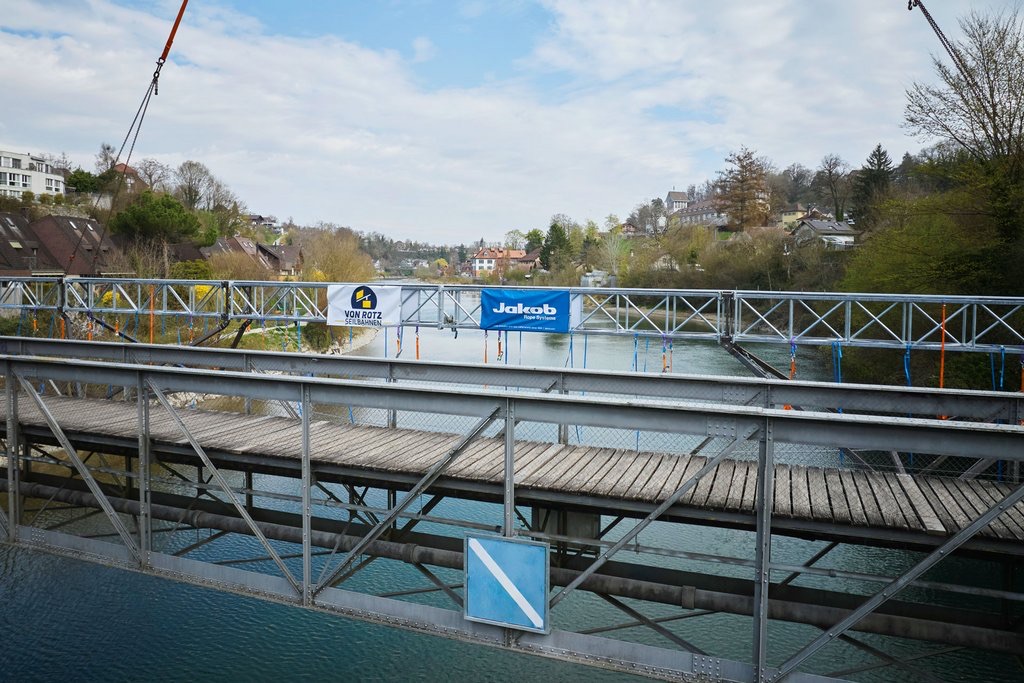
A 61-Meter Structural Answer
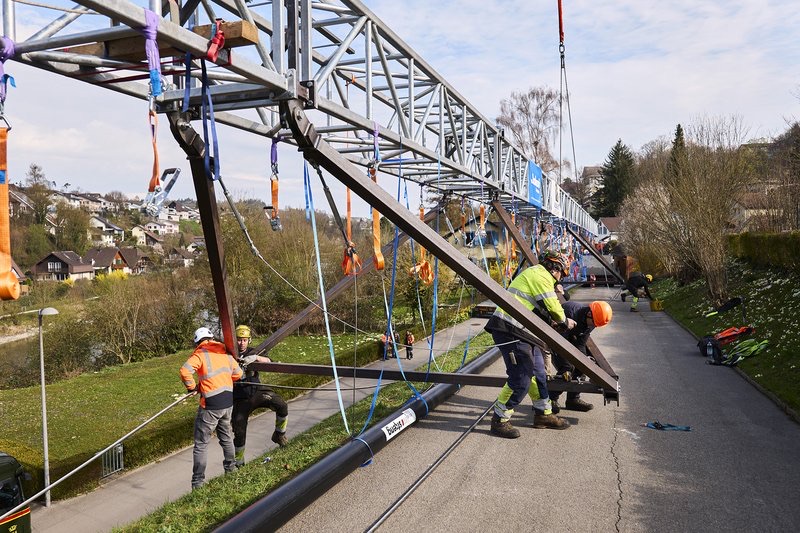
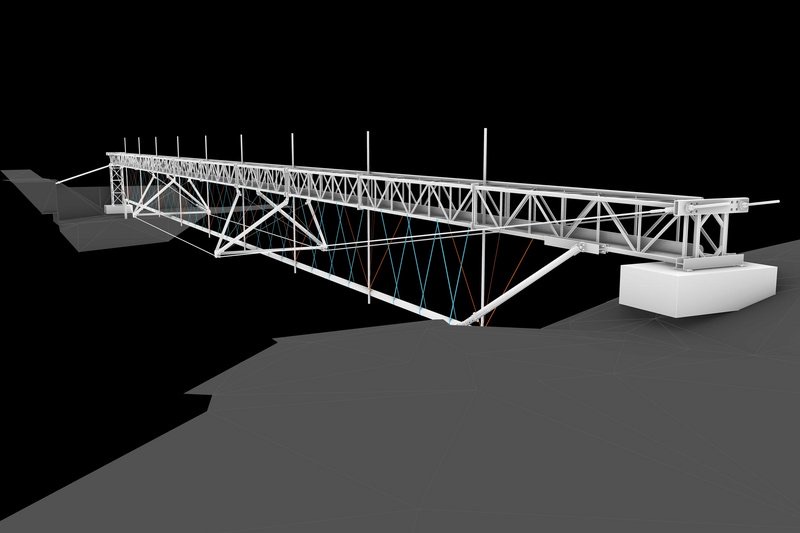
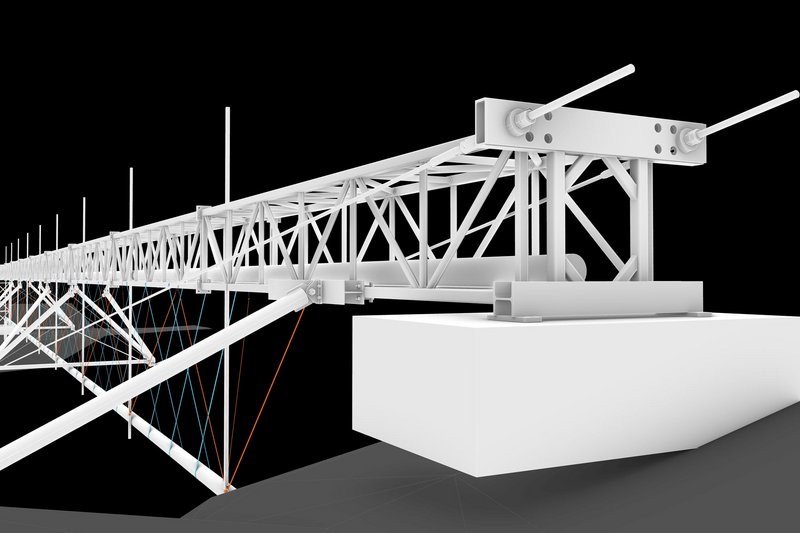
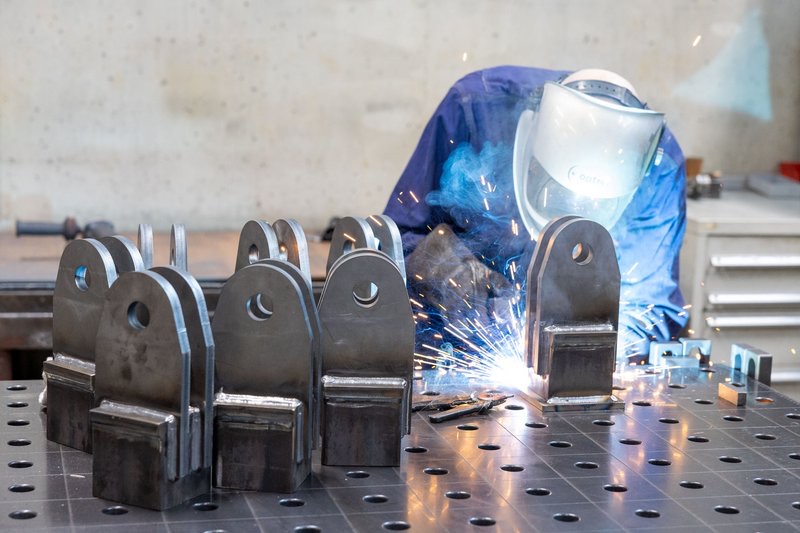
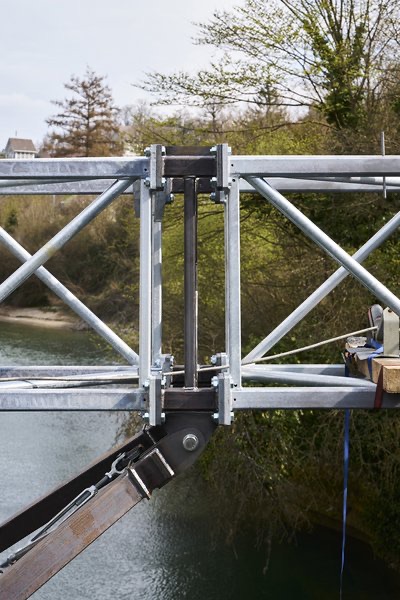
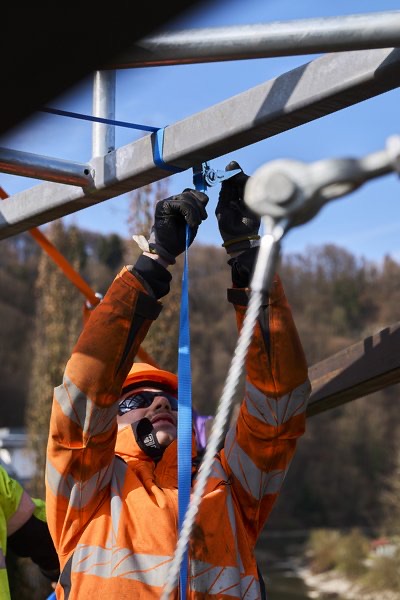
Jakob’s team built a 61-meter temporary utility bridge combining an underslung cable system with lattice girder elements standard in temporary construction structures. Tensioning runs on open spiral ropes — 26 mm, 1×37 construction — fitted with Forte external-thread terminations, anchored through custom end elements that double as the bridge’s vertical supports. Assorted lifting slings handle the actual pipe suspension.
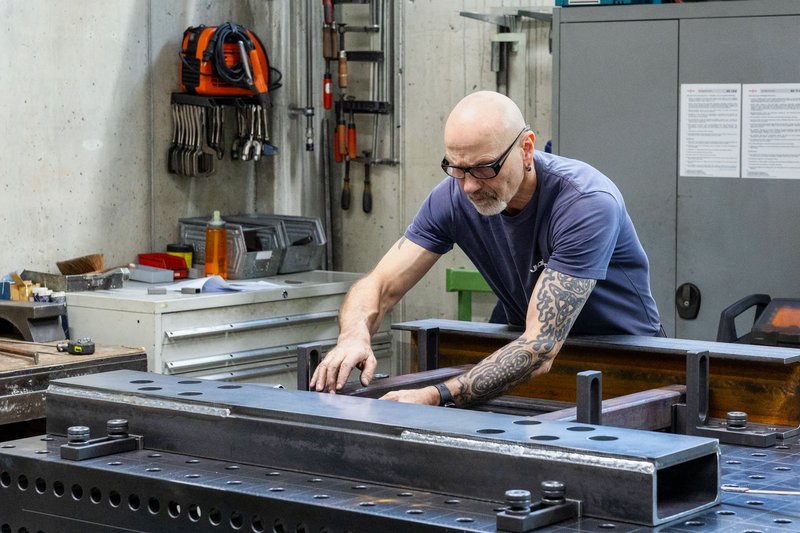
What matters here isn’t just the spec sheet — it’s the scope. Jakob didn’t supply rope to someone else’s structural design. The company handled the full project: engineering, component fabrication, and on-site installation management. That’s the same full-scope capability behind the architectural and Webnet mesh systems we install on signature bridges and facades — just pointed at a problem where nobody will ever take a photo of the finished result.
Built to Move On
One detail worth flagging for anyone specifying temporary structures: the custom end-anchor and clamping elements on this project aren’t single-use. Once the Seftau bridge renovation wraps, those components move on to other temporary structures. That’s a materials decision as much as a structural one — the same AISI 316 marine-grade stainless steel Jakob standardizes on across its architectural cable, green facade trellis, and mesh systems holds up to redeployment without the corrosion or fatigue that would sideline commodity steel after one job.
The Range Behind the Result
This project won’t win any design awards, and it isn’t supposed to. But it’s a useful data point for anyone evaluating Jakob as a partner rather than a component vendor: 122 years of Swiss cable engineering, applied with equal rigor to a museum-grade balustrade and a temporary utility crossing with a hard deadline. If your project depends on a rope-and-tension system performing under deadline pressure — where “close enough” isn’t an option because a city’s sewer line is riding on it — that’s the track record you’re specifying against.
Does Your Project Have a Deadline Where Failure Isn’t an Option?
If you’re dealing with a construction logistics problem — a temporary structure, a phased renovation, a utility continuity requirement — rather than a pure design brief, our engineering team can walk through what’s actually load-rated and deployable on your timeline. Sometimes the honest answer is a lighter system than you expected. Sometimes it’s exactly this.