Green Walls Revolution:
How Vertical Gardens Transform Urban Spaces
How Vertical Gardens Transform Urban Spaces
Discover the environmental, economic, and aesthetic benefits that make green walls essential for modern architecture
Picture this: a bustling urban street where concrete walls have been transformed into thriving vertical gardens that purify the air, reduce energy costs, and create stunning visual landmarks. This isn’t a futuristic vision—it’s happening right now with Jakob Rope Systems’ innovative green wall solutions.
As cities become denser and environmental concerns grow, architects and developers are discovering that green walls aren’t just beautiful additions to buildings—they’re smart investments that deliver measurable benefits for decades.
Why Green Walls Are Essential for Modern Architecture
Urban environments face unprecedented challenges: air pollution, rising temperatures, and the loss of natural spaces. Green walls offer a powerful solution that addresses multiple problems simultaneously while creating spaces people actually want to experience.
Green walls, also known as living walls or vertical gardens, use specially designed support systems to create thriving plant ecosystems on building facades, interior walls, and urban structures. Unlike simple ivy growing on a fence, modern green walls incorporate sophisticated irrigation, drainage, and structural support systems that ensure long-term success.
The Science Behind Green Wall Benefits
Environmental Impact: More Than Just Pretty Plants
Green walls function as natural air purification systems. Research shows that just 1 m² of living wall extracts 2.3 kg of CO2 per annum from the air and produces 1.7 kg of oxygen. For perspective, while a tree absorbs around 5.5 kg of CO2 a year, 1 m2 of green wall can absorb up to 2 kg, making vertical gardens remarkably efficient for urban spaces.
Temperature regulation represents another significant advantage. Studies have shown that the surface of an exterior green wall is up to 10°C cooler than an exposed wall, with some research indicating even greater cooling effects. Green walls can be up to 20 degrees cooler than bare walls in Mediterranean climates. This cooling occurs through evapotranspiration, as plants release moisture into the air, creating natural climate control.
Economic Benefits: Smart Investment Returns
Energy savings make green walls financially attractive. Researchers at the University of Plymouth found that the amount of heat lost through the living wall section was 31.4% lower than the original structure. In hot arid climates, studies show energy demand can be reduced by up to 75% with living wall systems, though typical savings range from 15-30% depending on climate and installation.
Property values benefit significantly from green installations. Studies show that green buildings yield between 2.5% and 5.0% higher base rent per square foot over non-green buildings, with some research indicating rental premiums up to 23% for green-certified buildings. LEED-certified buildings achieved rent premiums of up to 20%, creating compelling financial incentives for developers and owners.
Jakob’s Green Wall Solutions: Engineering Excellence Meets Natural Beauty
Jakob Rope Systems has perfected the integration of Swiss engineering precision with nature’s requirements. Our stainless steel support systems provide the structural foundation that allows plants to thrive while maintaining architectural integrity.
Picture this: a bustling urban street where concrete walls have been transformed into thriving vertical gardens that purify the air, reduce energy costs, and create stunning visual landmarks. This isn’t a futuristic vision—it’s happening right now with Jakob Rope Systems’ innovative green wall solutions.
As cities become denser and environmental concerns grow, architects and developers are discovering that green walls aren’t just beautiful additions to buildings—they’re smart investments that deliver measurable benefits for decades.
Why Green Walls Are Essential for Modern Architecture
Urban environments face unprecedented challenges: air pollution, rising temperatures, and the loss of natural spaces. Green walls offer a powerful solution that addresses multiple problems simultaneously while creating spaces people actually want to experience.
Green walls, also known as living walls or vertical gardens, use specially designed support systems to create thriving plant ecosystems on building facades, interior walls, and urban structures. Unlike simple ivy growing on a fence, modern green walls incorporate sophisticated irrigation, drainage, and structural support systems that ensure long-term success.
The Science Behind Green Wall Benefits
Environmental Impact: More Than Just Pretty Plants
Green walls function as natural air purification systems. Research shows that just 1 m² of living wall extracts 2.3 kg of CO2 per annum from the air and produces 1.7 kg of oxygen. For perspective, while a tree absorbs around 5.5 kg of CO2 a year, 1 m2 of green wall can absorb up to 2 kg, making vertical gardens remarkably efficient for urban spaces.
Temperature regulation represents another significant advantage. Studies have shown that the surface of an exterior green wall is up to 10°C cooler than an exposed wall, with some research indicating even greater cooling effects. Green walls can be up to 20 degrees cooler than bare walls in Mediterranean climates. This cooling occurs through evapotranspiration, as plants release moisture into the air, creating natural climate control.
Economic Benefits: Smart Investment Returns
Energy savings make green walls financially attractive. Researchers at the University of Plymouth found that the amount of heat lost through the living wall section was 31.4% lower than the original structure. In hot arid climates, studies show energy demand can be reduced by up to 75% with living wall systems, though typical savings range from 15-30% depending on climate and installation.
Property values benefit significantly from green installations. Studies show that green buildings yield between 2.5% and 5.0% higher base rent per square foot over non-green buildings, with some research indicating rental premiums up to 23% for green-certified buildings. LEED-certified buildings achieved rent premiums of up to 20%, creating compelling financial incentives for developers and owners.
Jakob’s Green Wall Solutions: Engineering Excellence Meets Natural Beauty
Jakob Rope Systems has perfected the integration of Swiss engineering precision with nature’s requirements. Our stainless steel support systems provide the structural foundation that allows plants to thrive while maintaining architectural integrity.
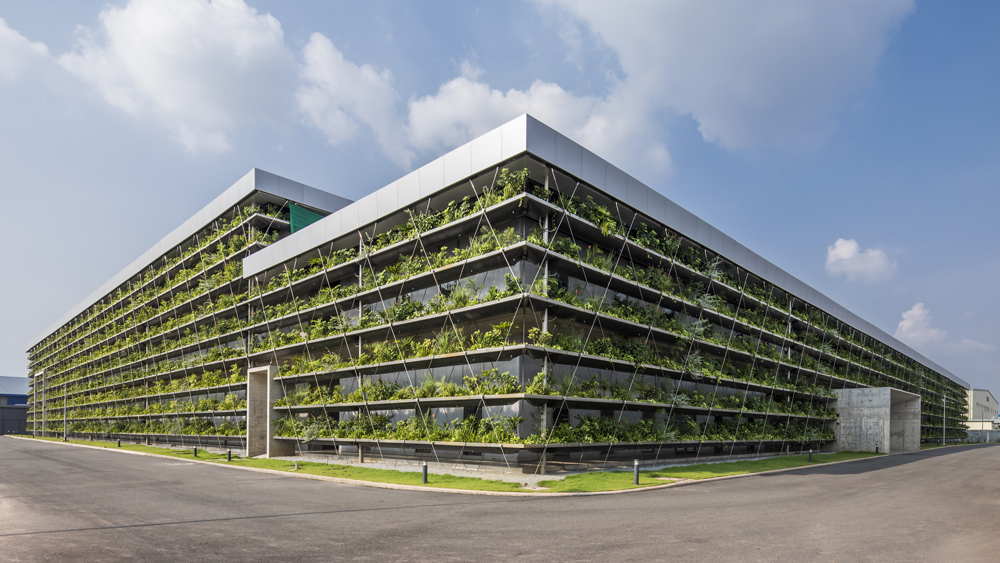
The Jakob Factory: Sustainable Innovation in Action
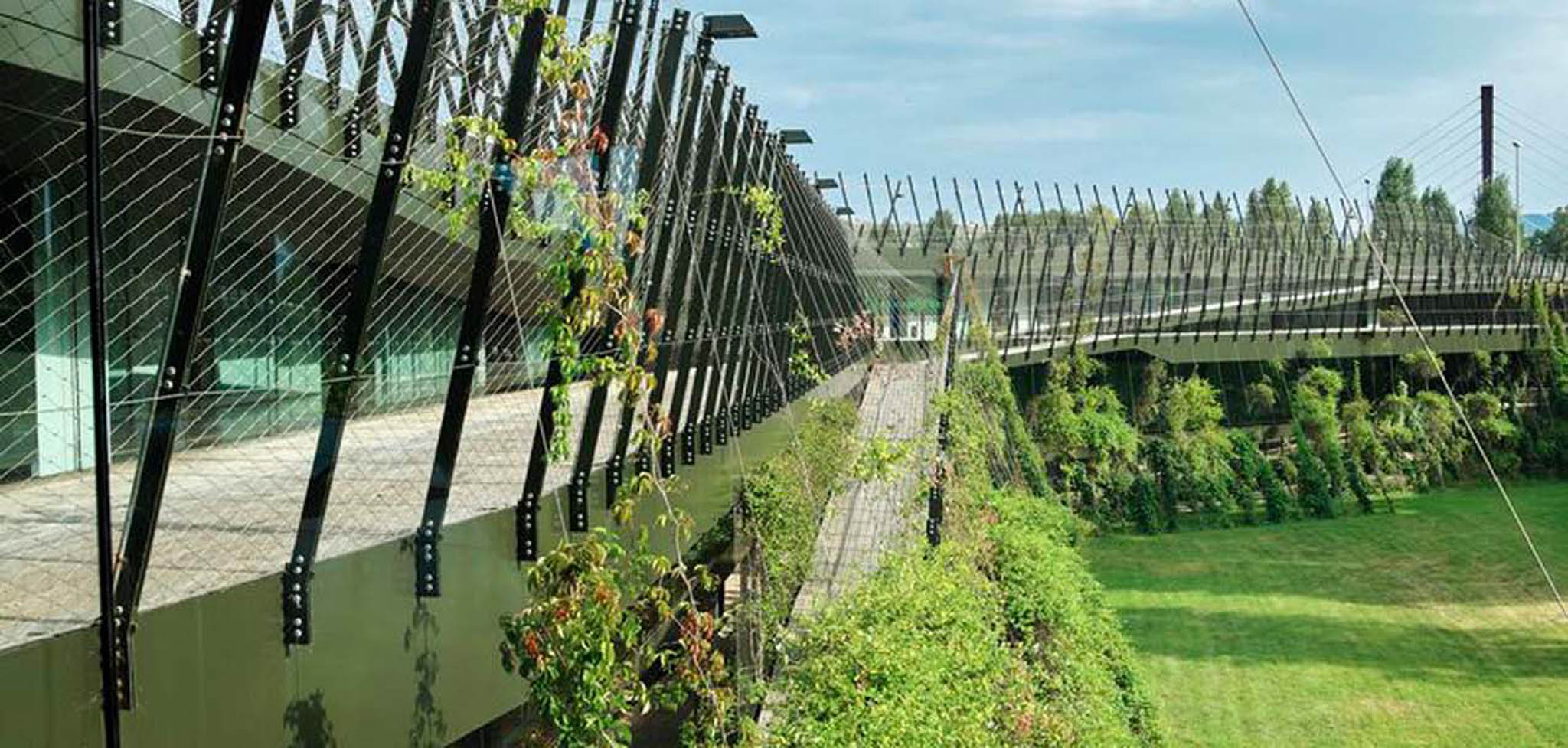
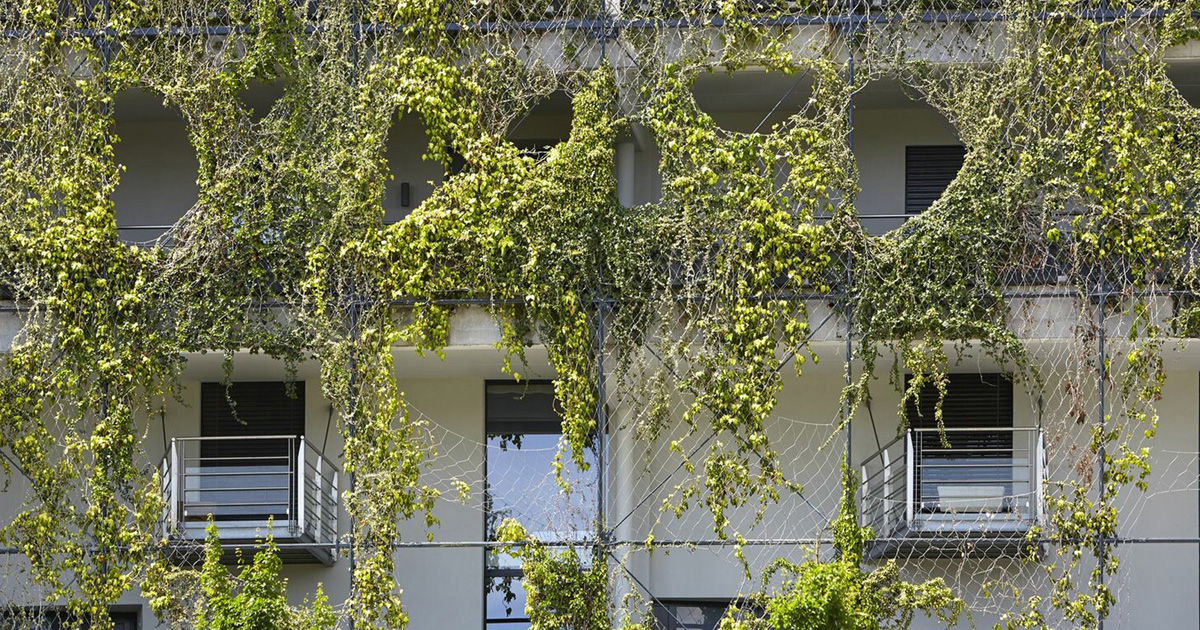
The Jakob Factory project demonstrates how green walls integrate seamlessly with modern industrial architecture. Using Jakob’s Webnet mesh and cable systems, this installation supports climbing plants that transform a functional building facade into a living, breathing environmental asset.
The project showcases key technical advantages:
- Flexible Support Structure: Jakob’s mesh adapts to plant growth patterns while maintaining uniform coverage
- Drainage Integration: Engineered spacing prevents water accumulation and root damage
- Minimal Maintenance: Stainless steel components require no painting or replacement for decades
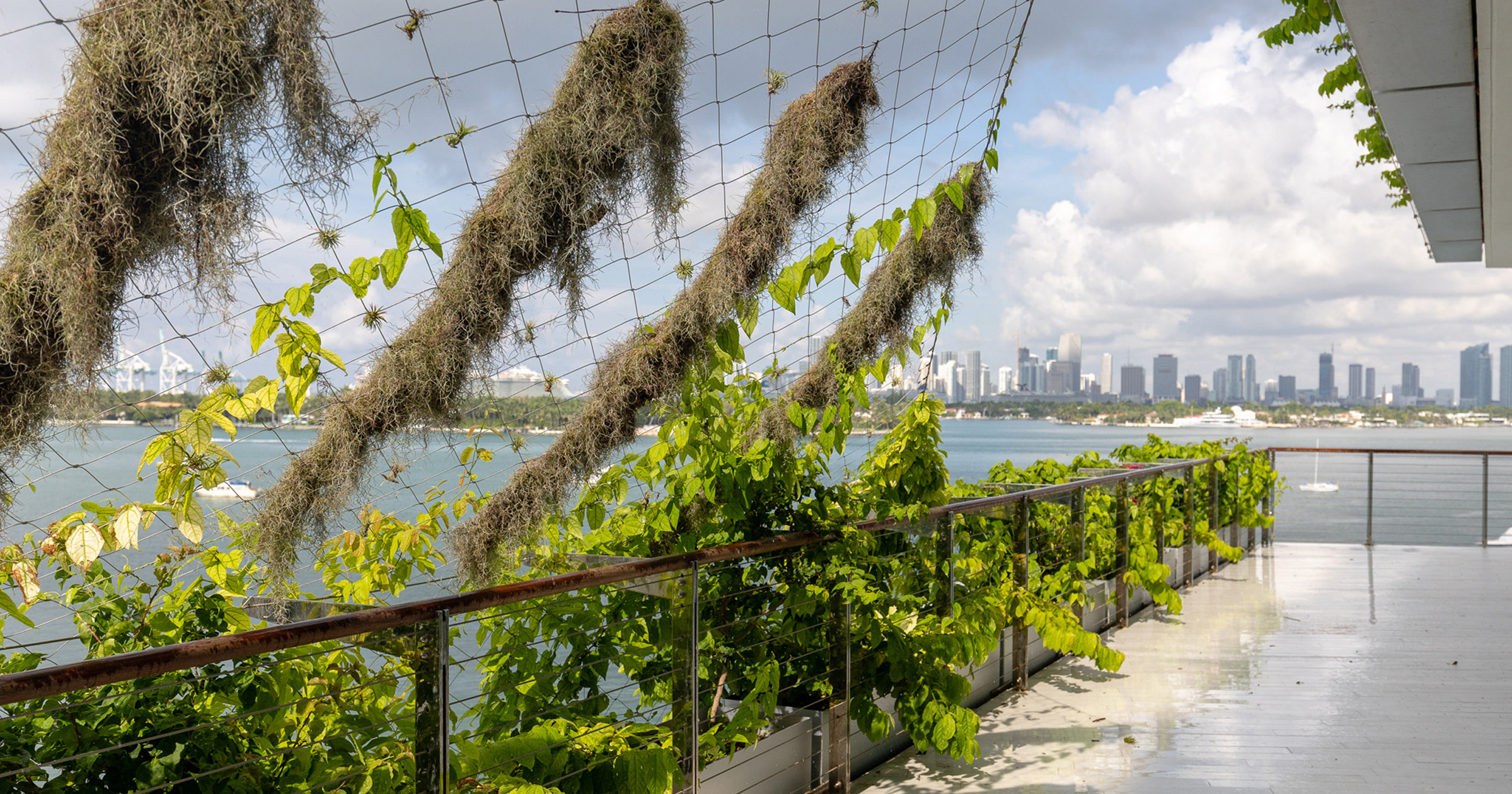
Monad Terrace: Luxury Living Enhanced by Nature
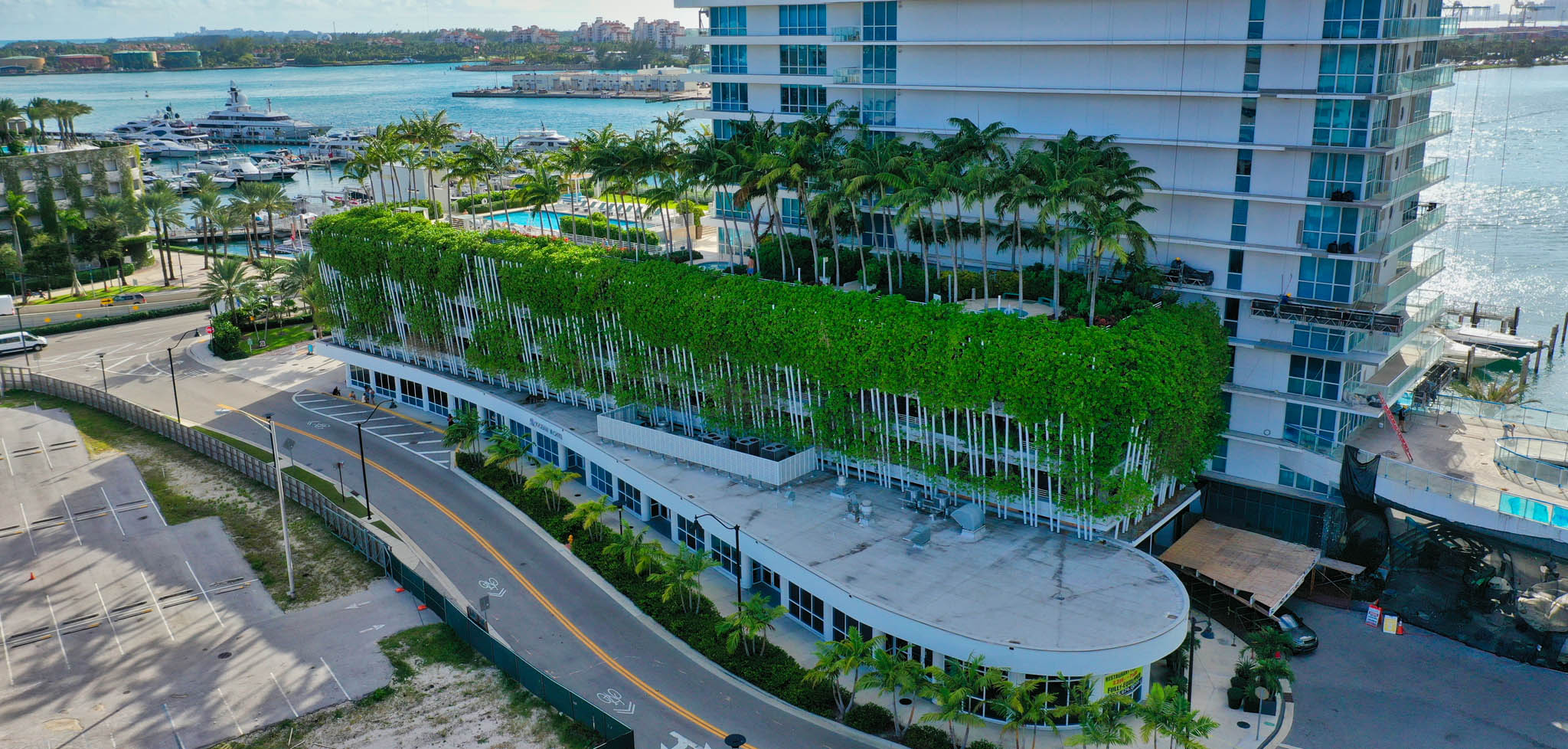
The Monad Terrace project illustrates green walls’ potential in high-end residential applications. Jakob’s cable and mesh systems create sophisticated plant support that enhances the building’s modern aesthetic while providing residents with improved air quality and natural insulation.
Key benefits demonstrated at Monad Terrace include:
- Visual Privacy: Strategic plant placement creates natural screening without blocking light
- Sound Reduction: Dense vegetation reduces urban noise by up to 8 decibels
- Resident Wellness: Studies show that views of greenery reduce stress and improve cognitive performance
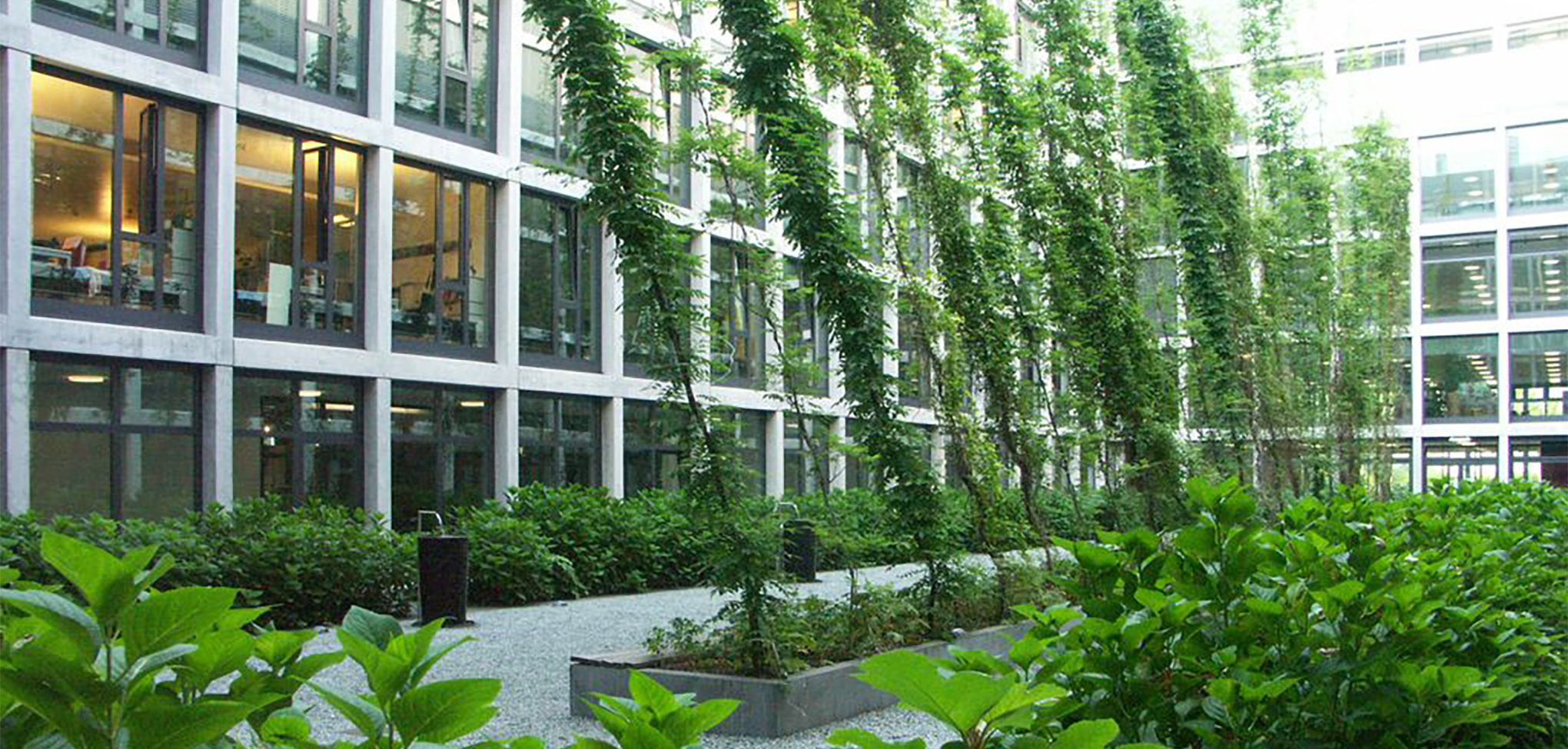
Green Courtyards: Maximizing Limited Urban Space
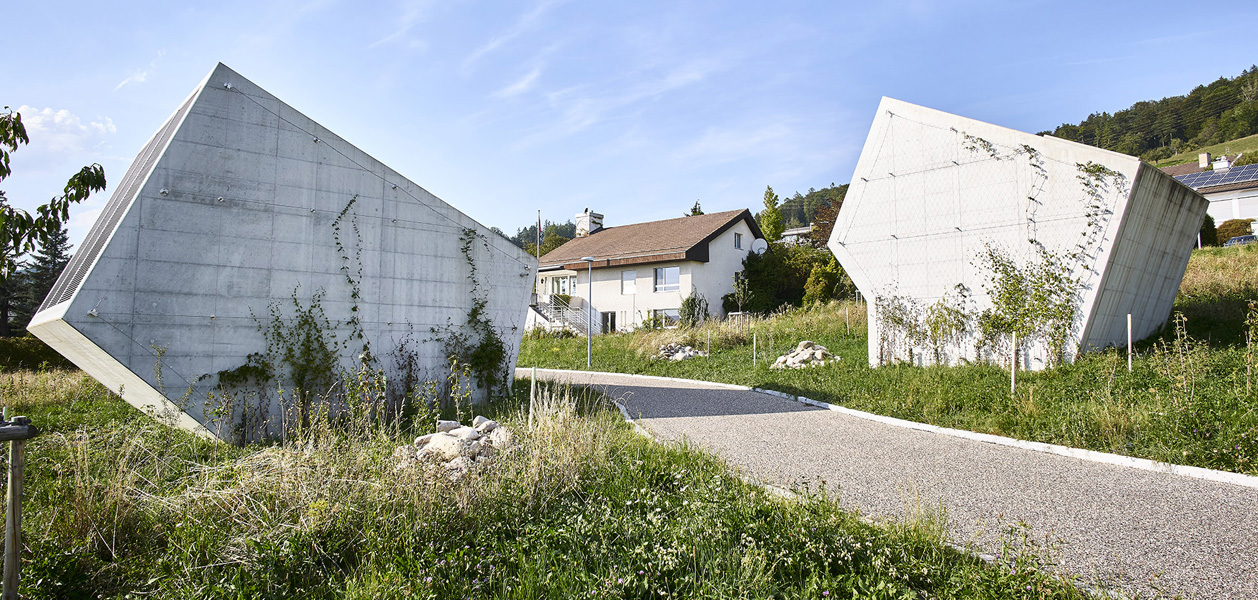
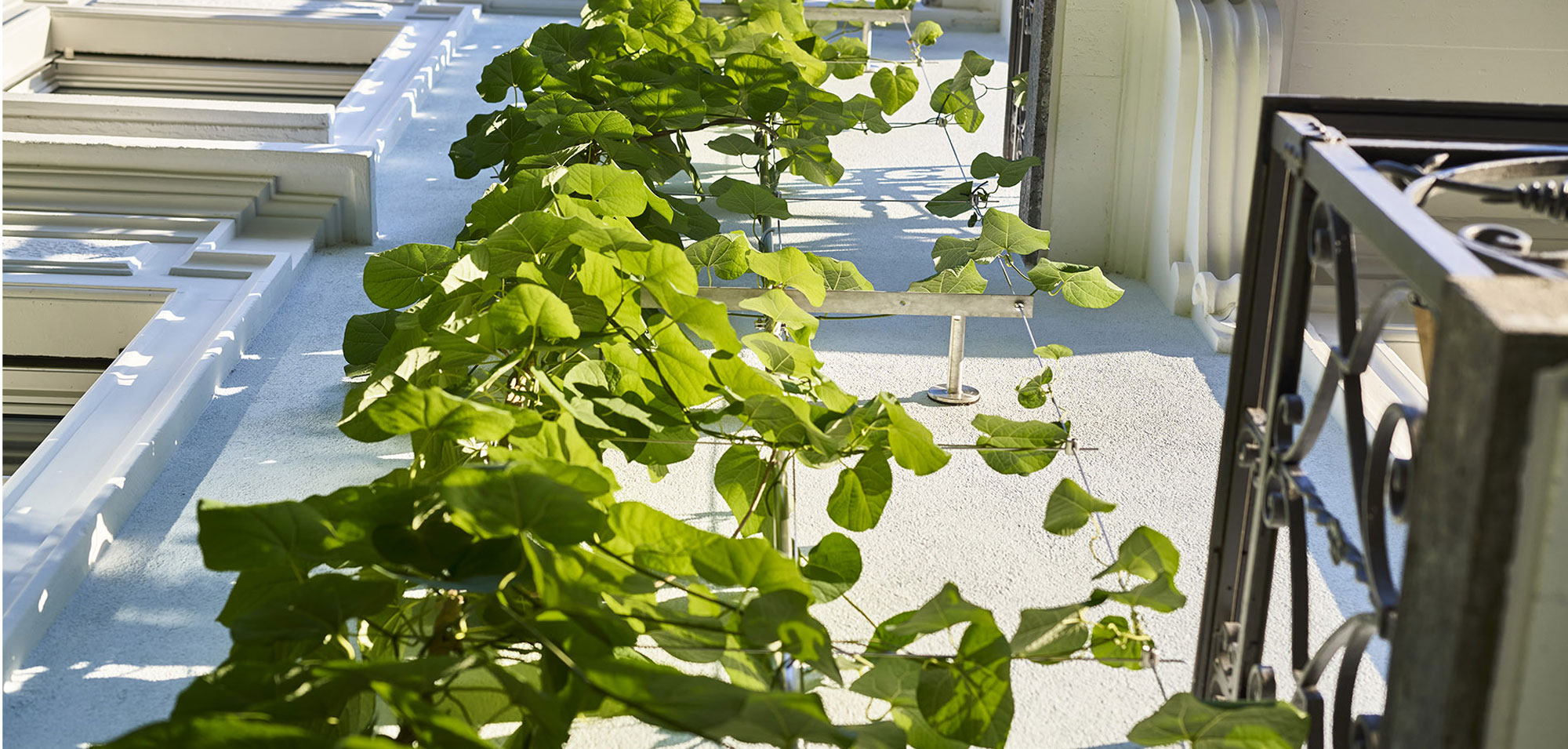
Jakob’s climbing structure solutions prove that even small urban spaces can support significant green installations. These projects show how vertical growing maximizes environmental benefits when horizontal space is limited.
The engineering advantages include:
- Space Efficiency: Vertical growing provides 3-4 times the plant coverage of traditional landscaping
- Structural Integration: Support systems integrate with existing architecture without requiring building modifications
- Year-Round Performance: Evergreen and seasonal plant combinations ensure continuous benefits
Technical Specifications That Deliver Results
Material Excellence: AISI 316 Stainless Steel
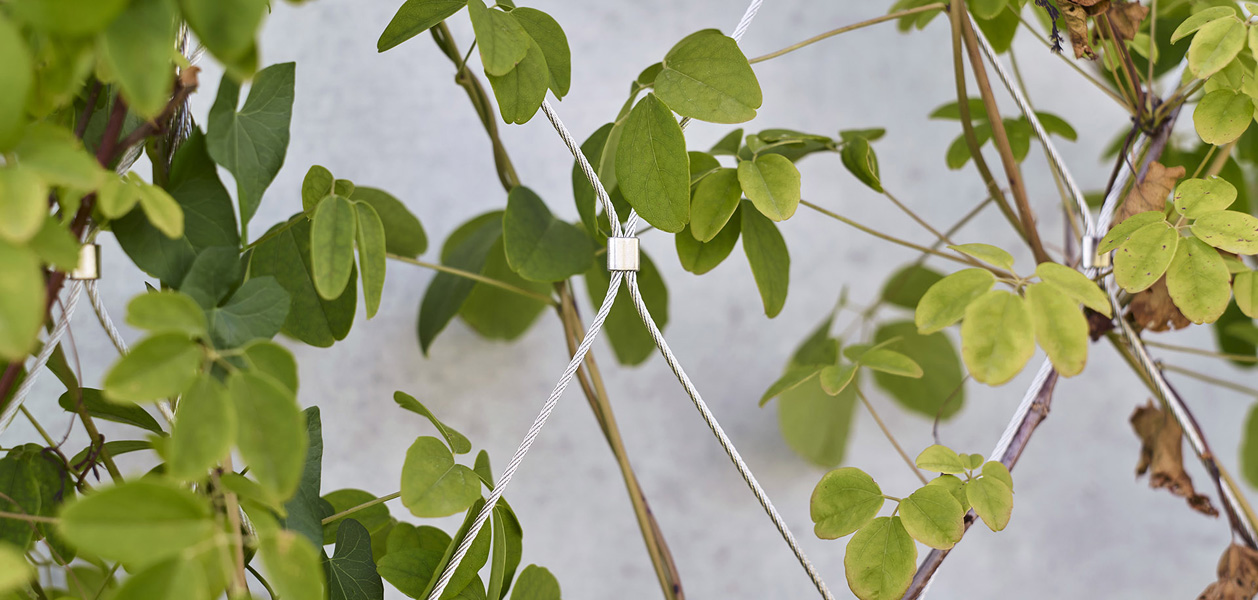
Jakob’s green wall systems use marine-grade stainless steel that withstands constant moisture exposure without corrosion. This material choice ensures 30+ year lifespans with minimal maintenance—crucial for installations that must support living plants.
Engineering Precision
Our support systems accommodate:
- Plant Weight Variation: Seasonal changes in plant mass and water content
- Wind Load Distribution: Prevents damage during severe weatherThermal Expansion: Materials expand and contract without affecting plant roots
- Access Requirements: Maintenance access without plant damage
Five Key Advantages That Make Green Walls Essential
- Air Quality Improvement
Beyond CO2 processing, green walls filter particulates, VOCs, and urban pollutants. Research indicates that living walls can reduce CO2 concentration rates by 56% in indoor environments. Green walls absorb dust, especially toxic particulate matter, with these particles being safely washed away with rain or composted during leaf-fall. - Energy Cost Reduction
The combination of insulation, shading, and evapotranspiration creates measurable energy savings. University studies show heat loss reductions of 31.4% through green wall sections, with indoor energy saving ratios reaching up to 19.92% for advanced living wall systems. Indoor green walls can reduce room temperatures by 3-7°C through transpiration. - Stormwater Management
Green walls absorb and slow rainwater runoff, reducing strain on urban drainage systems. The vegetation and growing medium capture significant amounts of precipitation, contributing to sustainable urban water management while reducing the burden on city infrastructure - Increased Property Value
Green building certifications often include credits for green walls, improving building ratings and marketability. Research shows that green buildings can achieve 10-21% increases in market value compared to non-green buildings, with the aesthetic appeal creating competitive advantages in real estate markets. - Urban Heat Island Mitigation
Large-scale green wall implementation contributes to cooling urban environments. Studies indicate that green infrastructure can reduce neighborhood temperatures, creating more comfortable urban environments and reducing city-wide energy consumption patterns.
Why Architects Choose Jakob for Green Wall Projects
Our three decades of experience in architectural cable systems translates directly to green wall success. We understand the structural requirements, environmental challenges, and maintenance considerations that determine long-term project success.
- Swiss Quality Engineering: Our systems meet the highest international standards for load capacity, weather resistance, and durability. Every component is designed for decades of reliable performance.
- Custom Design Capabilities: Each project receives tailored engineering analysis to optimize plant support, drainage, and access requirements. Our team works directly with architects and landscape designers to achieve specific aesthetic and performance goals.
- Proven Track Record: Jakob systems support successful green walls worldwide, from tropical climates to harsh winter environments. Our experience ensures your project benefits from lessons learned across diverse conditions.
- Complete System Integration: We provide coordinated support structures, mounting hardware, and technical guidance to ensure seamless installation and long-term success.
Transform Your Next Project with Living Architecture
Green walls represent more than an architectural trend—they’re essential tools for creating sustainable, healthy, and economically successful buildings. As urban density increases and environmental regulations tighten, the advantages of vertical gardens will only become more valuable.
Whether you’re designing a corporate headquarters, residential development, or public space, Jakob’s green wall solutions offer the engineering excellence and aesthetic flexibility to achieve your vision.
Ready to explore how green walls can enhance your next project?
Contact our technical team for consultation on custom green wall solutions. We’ll help you design systems that deliver environmental benefits, economic returns, and stunning visual impact for decades to come.



Technical Specifications That Deliver Results
Material Excellence: AISI 316 Stainless Steel
Jakob’s green wall systems use marine-grade stainless steel that withstands constant moisture exposure without corrosion. This material choice ensures 30+ year lifespans with minimal maintenance—crucial for installations that must support living plants.
Engineering Precision
Our support systems accommodate:
- Plant Weight Variation: Seasonal changes in plant mass and water content
- Wind Load Distribution: Prevents damage during severe weatherThermal Expansion: Materials expand and contract without affecting plant roots
- Access Requirements: Maintenance access without plant damage
Five Key Advantages That Make Green Walls Essential
- Air Quality Improvement
Beyond CO2 processing, green walls filter particulates, VOCs, and urban pollutants. Research indicates that living walls can reduce CO2 concentration rates by 56% in indoor environments. Green walls absorb dust, especially toxic particulate matter, with these particles being safely washed away with rain or composted during leaf-fall. - Energy Cost Reduction
The combination of insulation, shading, and evapotranspiration creates measurable energy savings. University studies show heat loss reductions of 31.4% through green wall sections, with indoor energy saving ratios reaching up to 19.92% for advanced living wall systems. Indoor green walls can reduce room temperatures by 3-7°C through transpiration. - Stormwater Management
Green walls absorb and slow rainwater runoff, reducing strain on urban drainage systems. The vegetation and growing medium capture significant amounts of precipitation, contributing to sustainable urban water management while reducing the burden on city infrastructure - Increased Property Value
Green building certifications often include credits for green walls, improving building ratings and marketability. Research shows that green buildings can achieve 10-21% increases in market value compared to non-green buildings, with the aesthetic appeal creating competitive advantages in real estate markets. - Urban Heat Island Mitigation
Large-scale green wall implementation contributes to cooling urban environments. Studies indicate that green infrastructure can reduce neighborhood temperatures, creating more comfortable urban environments and reducing city-wide energy consumption patterns.
Why Architects Choose Jakob for Green Wall Projects
Our three decades of experience in architectural cable systems translates directly to green wall success. We understand the structural requirements, environmental challenges, and maintenance considerations that determine long-term project success.
- Swiss Quality Engineering: Our systems meet the highest international standards for load capacity, weather resistance, and durability. Every component is designed for decades of reliable performance.
- Custom Design Capabilities: Each project receives tailored engineering analysis to optimize plant support, drainage, and access requirements. Our team works directly with architects and landscape designers to achieve specific aesthetic and performance goals.
- Proven Track Record: Jakob systems support successful green walls worldwide, from tropical climates to harsh winter environments. Our experience ensures your project benefits from lessons learned across diverse conditions.
- Complete System Integration: We provide coordinated support structures, mounting hardware, and technical guidance to ensure seamless installation and long-term success.
Transform Your Next Project with Living Architecture
Green walls represent more than an architectural trend—they’re essential tools for creating sustainable, healthy, and economically successful buildings. As urban density increases and environmental regulations tighten, the advantages of vertical gardens will only become more valuable.
Whether you’re designing a corporate headquarters, residential development, or public space, Jakob’s green wall solutions offer the engineering excellence and aesthetic flexibility to achieve your vision.
Ready to explore how green walls can enhance your next project?
Contact our technical team for consultation on custom green wall solutions. We’ll help you design systems that deliver environmental benefits, economic returns, and stunning visual impact for decades to come.
References